Blog

  • How to Hire a Coach Without Wasting Your Money

    How to hire a coach? Over the past twenty years, I’ve hired coaches for myself, recommended them to clients, and watched dozens of coaching relationships either transform someone’s trajectory or quietly fizzle out after three expensive sessions. The coaching industry has almost no barrier to entry — anyone can print business cards that say “certified coach” — which means the burden of vetting falls entirely on you. That’s not meant to scare you off. It’s meant to save you from the mistake I see most often: hiring based on charisma instead of fit.

    If you’re trying to figure out how to hire a coach — whether it’s a life coach, executive coach, career coach, or business coach — here’s the process that actually works.

    Get Specific About What You’re Hiring For

    “I want a coach” is too broad to act on. Coaching splits into distinct categories, and the skill sets don’t overlap as much as people assume:

    • Executive or leadership coaches work on management skills, decision-making, and team dynamics
    • Career coaches focus on job transitions, interviewing, and career strategy
    • Business coaches help with operations, growth, and owner-level decisions
    • Life coaches address personal goals, habits, and life direction
    • Performance or accountability coaches focus narrowly on execution and consistency

    Before you search, write down the specific outcome you want in six months. “I want to communicate more confidently in leadership meetings” gives you something to hire against. “I want to be better at my job” doesn’t.

    How to Hire a Coach

    Ask for a Direct Referral

    A recommendation from someone who’s actually completed a coaching engagement — not just had a free consult — is still the strongest signal available. Ask what specifically changed for them, not just whether they “liked” the coach.

    Check Accredited Directories

    Bodies like the International Coaching Federation (ICF) maintain searchable directories of credentialed coaches who’ve met defined training and ethics standards. This won’t guarantee a great fit, but it filters out a large share of unqualified operators who picked up the title without real training.

    Look at Their Own Track Record, Not Just Testimonials

    A coach’s website testimonials are curated by definition. Look instead at where they’ve spoken, written, or been interviewed independently. A coach who’s been invited to contribute to industry publications or podcasts has usually been vetted by someone other than themselves first.

    Use LinkedIn With a Narrow Search

    Search by the specific outcome, not the job title — “coach for first-time managers” instead of “leadership coach.” Read how they talk about their own process. Coaches who describe a clear, repeatable method are generally more reliable than those who lean entirely on personality and motivational language.

    How to Actually Vet a Coach Before You Pay

    This is the part most people skip, and it’s the part that determines whether you get real value.

    1. Ask About Their Own Training and Credentials

    Certification isn’t everything, but a coach with zero formal training and no verifiable track record is a real risk, especially for higher-stakes areas like executive or career coaching. Ask directly where they trained and how long they’ve been practicing.

    2. Request a Trial Session

    Almost every credible coach offers a discovery call or a paid trial session. Use it to evaluate how they listen, not just how they talk. A good coach asks pointed follow-up questions rather than jumping straight to advice.

    3. Ask How They Measure Progress

    A coach worth hiring can explain, in specific terms, how you’ll both know the coaching is working. If the answer is vague (“we’ll just see how you feel”), that’s a warning sign, not a personality quirk.

    4. Talk to a Past Client Directly

    Ask for one former client you can actually contact. In that conversation, ask what was hard about the process, not just what went well. Coaching that never gets uncomfortable rarely produces real change.

    5. Clarify Structure and Cadence

    Confirm session length, frequency, cancellation policy, and what happens between sessions. Coaches with a loose, undefined structure often deliver a loose, undefined result.

    Red Flags to Watch For

    • Promises of guaranteed transformation before they understand your situation
    • Refusal to share how they measure results
    • Heavy reliance on motivational language instead of a defined process
    • No willingness to offer a trial session or shorter initial commitment
    • Pressure to commit to a long-term package before your first real conversation

    Start Small Before You Commit Long-Term

    Even when a coach seems like a strong match, commit to a short initial block — three to four sessions — before signing on for six months or a year. This protects your budget and gives you real data on fit instead of a first impression. Any coach confident in their own value will have no problem with this structure; hesitation here is itself useful information.

    Final Thoughts

    Hiring a coach is a decision about who gets access to your goals, your blind spots, and your money — often all three at once. The coaches who deliver real results are rarely the ones with the flashiest marketing. They’re the ones with a clear method, verifiable experience, and the confidence to let you test the relationship before you commit to it fully. Take the time upfront. It’s the difference between a coach who changes your trajectory and one who just takes your money for a few months.

    Frequently Asked Questions

    How much should I expect to pay for a coach? Rates vary significantly by specialty and experience — from under $100 per session for newer coaches to several hundred dollars per session for experienced executive coaches. Always confirm pricing and cancellation terms in writing before starting.

    Do I need a certified coach, or can experience alone be enough? Certification isn’t mandatory, but it’s a useful filter, especially in higher-stakes areas like executive or career coaching. If a coach isn’t certified, verified experience and references matter even more.

    How long does a typical coaching engagement last? Most effective engagements run three to six months, though this depends heavily on the goal. Start with a short trial block rather than committing to a long-term contract upfront.

  • How to Find a Business Consultant You Can Actually Trust

    How to Find a Business Consultant You Can Actually Trust

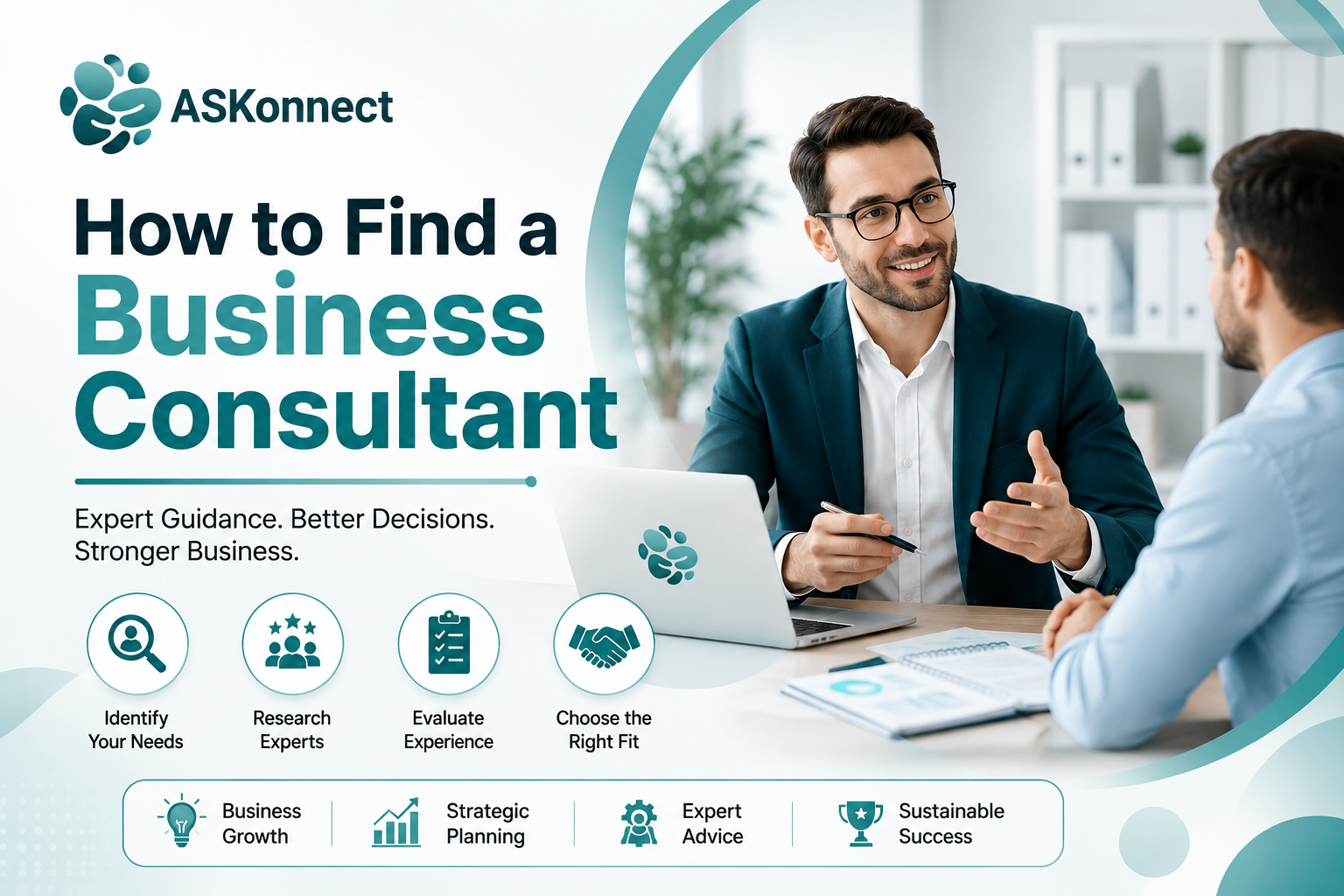
    I’ve spent two decades sitting on both sides of the consulting table — as a business owner hiring outside help, and later advising companies on how to vet the advisors they bring in. In that time, I’ve seen founders hand over five-figure retainers to consultants who never delivered a single measurable result, and I’ve seen a single well-chosen advisor turn around a struggling operation in under six months. The difference rarely comes down to luck. It comes down to how the search was done.

    If you’re wondering how to find a business consultant who’s worth your money, here’s the process I actually use — not a generic checklist pulled from a search results page.

    Start by Defining the Problem Not the Job Title

    The biggest mistake I see business owners make is searching for “a consultant” before they’ve defined what’s actually broken. A marketing consultant, a fractional CFO, and an operations strategist all fall under the same umbrella term, but they solve completely different problems.

    Before you look anywhere, write down:

    • The specific outcome you need (e.g., “reduce customer churn by 15%” not “grow the business”)
    • The timeframe you’re working with
    • Your realistic budget range
    • Whether you need someone hands-on in daily operations or strategic guidance from a distance

    I’ve watched companies burn three months of a consulting engagement just clarifying scope that should have taken an afternoon internally. Getting this right first saves you from hiring the wrong kind of expert entirely.

    Where to Actually Look

    Once you know what you need, the search itself gets much easier.

    Ask for Referrals First

    Referrals from people who’ve actually worked with a consultant — not just heard of them — remain the highest-quality lead source, even in 2026. Ask other founders, your accountant, your banker, or your industry association. A consultant who delivered results for someone in your network is already partially vetted before you speak to them.

    Use Professional Directories and Associations

    Organizations like the Institute of Management Consultants (IMC USA), SCORE, or industry-specific trade bodies maintain directories of vetted professionals. These aren’t perfect, but they filter out a meaningful chunk of unqualified operators.

    How to Find a Business Consultant so Search LinkedIn Strategically

    Don’t just search “business consultant.” Search by the specific problem (“cash flow consultant for retail,” “SaaS pricing strategist”). Look at who’s publishing genuinely useful content — not recycled listicles — and engaging with real industry conversations. That’s usually a better signal of expertise than a polished profile photo.

    Check Consulting Marketplaces Carefully

    Platforms that connect businesses with independent consultants can work well for defined, short-term projects. Treat the ratings as a starting point, not a final verdict — always verify independently.

    How to Vet a Consultant Properly

    This is the step most people rush, and it’s the one that matters most.

    1. Verify Real Experience, Not Just Claims

    Ask for two or three specific examples of work similar to yours, including what actually changed as a result. A credible consultant will talk in specifics — numbers, timelines, obstacles they hit — not vague success stories. Vague answers here are a red flag.

    2. Talk to Former Clients Directly

    Don’t settle for a testimonial page. Ask the consultant for one or two former clients you can actually call. In the conversation, ask what didn’t go well, not just what went right. Every good consultant has had a project that didn’t go perfectly — the honest ones will tell you.

    3. Check Credentials Against Independent Sources

    If a consultant claims a certification (like CMC — Certified Management Consultant) or a specific professional background, verify it independently rather than taking their website’s word for it. This single step filters out a surprising number of exaggerated resumes.

    4. Evaluate How They Diagnose, Not Just How They Pitch

    In your first real conversation, pay attention to whether they ask sharp, specific questions about your business, or whether they jump straight into a generic solution. The best consultants I’ve worked with spent more time asking than talking in that first meeting.

    5. Clarify How They Measure Success

    Ask directly: “How will we know this engagement worked?” A strong consultant can answer this in concrete terms tied to your business metrics. If the answer is fuzzy, the engagement likely will be too.

    Red Flags Worth Walking Away From

    • Guarantees of a specific outcome before they’ve assessed your business
    • Reluctance to provide references or past client contacts
    • Pressure to sign a long-term contract before a smaller trial project
    • A one-size-fits-all pitch that sounds identical regardless of your industry
    • No clear methodology — just “trust the process”

    Structuring the Engagement to Protect Yourself

    Once you’ve chosen someone, start smaller than you think you need to. A short paid pilot project — four to six weeks with a defined deliverable — tells you far more about fit and competence than any interview can. Put expectations, deliverables, and check-in points in writing, even with consultants you trust. This isn’t about distrust; it’s standard practice among experienced advisors, and any consultant worth hiring will expect it.

    Final Thoughts!!

    Finding the right business consultant isn’t about finding the most impressive résumé or the slickest pitch deck. It’s about matching a specific, well-defined problem to someone with verifiable experience solving that exact kind of problem — and confirming that fit before you commit real budget to it. Take the extra week to vet properly. In my experience, it’s always cheaper than the alternative.

    Frequently Asked Questions

    How much does a business consultant typically cost? Rates vary widely by specialty and experience, from a few hundred dollars an hour for niche specialists to project-based fees in the tens of thousands for larger strategic engagements. Always ask for a rate structure and a written scope before starting.

    How long should a consulting engagement last? Start with a small, time-boxed pilot project whenever possible, then extend based on measurable results rather than committing to a long-term contract upfront.

    Can I find a good consultant without paying for a directory or marketplace? Yes — referrals from your professional network are typically the highest-quality, lowest-cost source of qualified consultants.

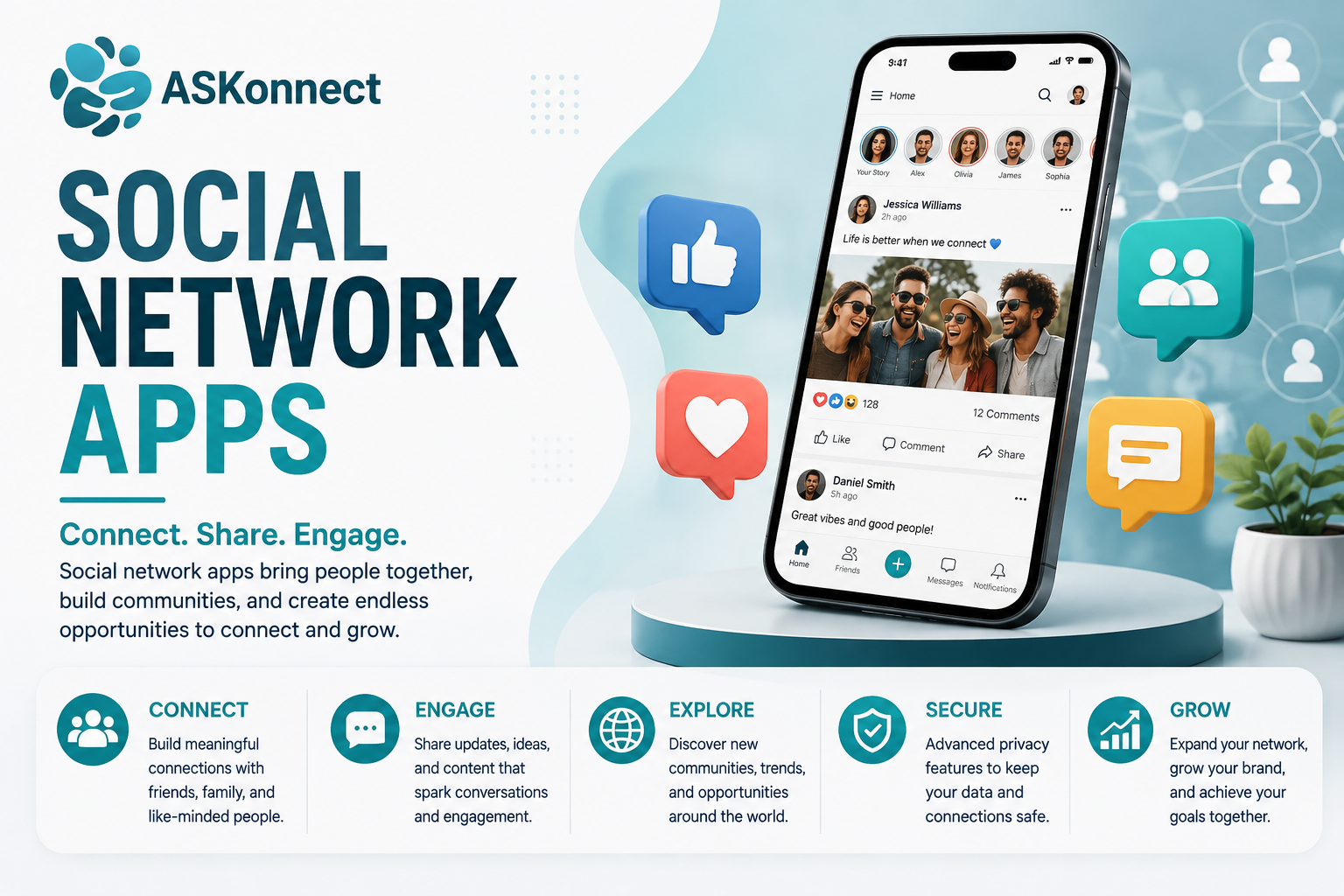
  • Social Network Apps: How They Connect People in the Digital World

    Social Network Apps: How They Connect People in the Digital World

    Social network apps have become an important part of everyday digital life. Whether people want to stay connected with friends, discover new communities, promote a business, share content, or follow current trends, social network apps provide convenient ways to communicate and interact online.

    From messaging and photo sharing to professional networking and community discussions, these apps serve different purposes for different audiences. But with hundreds of platforms available today, understanding how social network apps work and choosing the right one can be challenging.

    In this guide, we’ll explore what social network apps are, the different types available, their benefits, potential drawbacks, and how to choose the best platform for your needs.

    What are Social Network Apps?

    Social network apps are mobile or web-based applications that allow people to create profiles, connect with other users, communicate, and share or discover content.

    Depending on the platform, users may be able to:

    • Create personal or professional profiles
    • Add friends or followers
    • Send direct messages
    • Publish photos, videos, or written posts
    • Join communities and groups
    • Comment on and react to content
    • Share posts with other users
    • Follow brands, creators, organizations, or public figures
    • Participate in live streams and online discussions

    The primary purpose of social network apps is to facilitate digital interaction. However, modern platforms have expanded far beyond simple communication and now support entertainment, education, marketing, networking, customer service, and even online commerce.

    Why are Social Network Apps So Popular?

    The popularity of social network apps comes largely from their convenience. Users can communicate and access content from almost anywhere using a smartphone.

    Several factors contribute to their widespread use.

    1. Easy Communication

    Social network apps make it possible to communicate instantly through messages, voice calls, video calls, comments, and other interactive features.

    Instead of relying solely on traditional communication methods, users can maintain relationships across cities and countries with just a few taps.

    2. Content Sharing

    Users can share experiences, opinions, photographs, videos, articles, and other forms of content. This makes social platforms valuable for both personal expression and professional communication.

    3. Online Communities

    Many social network apps allow people with similar interests to form communities. These communities can focus on hobbies, professional industries, education, entertainment, sports, or other subjects.

    4. Business Opportunities

    Businesses use social network apps to increase brand visibility, communicate with customers, promote products, and generate leads.

    A well-managed social presence can help businesses establish credibility and maintain relationships with existing and potential customers.

    5. Personalized Content

    Most modern social platforms use recommendation systems to show users content based on their interactions, interests, and activity. This can make discovering relevant content faster and more engaging.

    Different Types of Social Network Apps

    Not every social network app serves the same purpose. Platforms can generally be divided into several categories.

    General Social Networking Apps

    These platforms are designed for broad audiences and provide multiple communication and content-sharing features.

    Users can typically create profiles, connect with others, publish content, and participate in communities.

    Professional Networking Apps

    Professional networking platforms focus on careers, employment, business relationships, and industry connections.

    They can be particularly useful for:

    • Job seekers
    • Recruiters
    • Freelancers
    • Entrepreneurs
    • Business owners
    • Industry professionals

    Users can showcase their experience, connect with professionals, discover job opportunities, and share industry-related content.

    Photo and Video Sharing Apps

    These platforms focus primarily on visual content. Users can publish photographs, short-form videos, stories, live broadcasts, and other visual media.

    They are especially popular among creators, influencers, photographers, designers, and businesses that rely heavily on visual marketing.

    Messaging-Based Social Apps

    Messaging platforms combine communication with social features. Users may communicate privately, create group conversations, share multimedia content, and participate in communities.

    These apps are often used for both personal communication and business customer support.

    Discussion and Community Apps

    Community-focused platforms allow users to participate in discussions around specific interests or topics.

    They can be useful for asking questions, sharing experiences, learning from other users, and discovering niche communities.

    Short-Form Video Apps

    Short-form video platforms allow users to create and consume brief videos, often supported by algorithmic recommendations.

    These apps have become important channels for entertainment, education, product discovery, and digital marketing.

    Benefits of Social Network Apps

    When used responsibly, social network apps can offer significant benefits.

    Staying Connected

    One of the biggest advantages is the ability to maintain relationships regardless of physical distance. Friends, families, colleagues, and communities can remain connected through regular digital interaction.

    Discovering Information

    Social platforms can expose users to news, educational resources, industry updates, tutorials, and expert opinions.

    However, users should verify important information rather than assuming every social media post is accurate.

    Building Professional Relationships

    Professionals can use social networking apps to connect with employers, clients, colleagues, and industry experts.

    Consistent participation can help individuals establish an online professional presence.

    Supporting Businesses

    Social network apps give businesses another channel for reaching potential customers.

    Companies can use them to:

    • Promote products and services
    • Publish educational content
    • Answer customer questions
    • Collect feedback
    • Build brand awareness
    • Drive website traffic
    • Develop customer relationships

    Creating Communities

    Social platforms can bring together people who share common interests or experiences. This can make it easier for users to find support, exchange knowledge, and participate in meaningful conversations.

    How Businesses Can Use Social Network Apps Effectively?

    Having an account on every platform is not necessarily the best strategy. Businesses should focus on platforms where their target audience is actually active.

    Understand Your Audience

    Before selecting a platform, identify your target customers.

    Consider factors such as:

    • Age
    • Location
    • Interests
    • Profession
    • Purchasing behavior
    • Preferred content formats

    This information can help determine which social network apps deserve your attention.

    Create Valuable Content

    Successful social media marketing is not simply about posting frequently. Content should provide value to the intended audience.

    Depending on the business, useful content might include:

    • Educational guides
    • Product demonstrations
    • Customer stories
    • Industry insights
    • Frequently asked questions
    • Behind-the-scenes content
    • Short videos
    • Expert advice

    Maintain Consistency

    A consistent publishing schedule can make a business profile appear more active and reliable. However, consistency should not come at the expense of quality.

    Engage With Your Audience

    Social networking is a two-way communication channel. Businesses should respond to relevant comments, questions, reviews, and messages.

    Meaningful engagement can strengthen relationships and improve the overall customer experience.

    Measure Performance

    Businesses should monitor relevant metrics rather than relying solely on follower counts.

    Useful metrics can include:

    • Engagement rate
    • Website visits
    • Leads
    • Conversions
    • Video views
    • Click-through rate
    • Audience growth

    These insights can help determine which content and strategies are producing meaningful results.

    Social Network Apps and Privacy

    Privacy is an important consideration when using social network apps.

    Users often share personal information such as their name, photographs, location, interests, contacts, and online activity. Depending on the platform and settings, some of this information may be visible to other users or processed by the service.

    For better privacy, users should:

    • Review privacy settings regularly
    • Use strong and unique passwords
    • Enable multi-factor authentication when available
    • Avoid sharing unnecessary personal information
    • Be careful when accepting connection requests
    • Review app permissions
    • Avoid clicking suspicious links
    • Think carefully before posting sensitive information

    Privacy settings can change over time, so reviewing them periodically is a good practice.

    Potential Disadvantages of Social Network Apps

    Despite their advantages, social network apps also have potential drawbacks.

    Excessive Screen Time

    Constant access to social platforms can encourage prolonged screen use. Setting reasonable usage limits can help maintain a healthier balance between online and offline activities.

    Misinformation

    False or misleading information can spread rapidly on social platforms. Users should evaluate sources and verify important claims through trustworthy sources.

    Online Harassment

    Some users may experience bullying, harassment, scams, or unwanted communication. Most major platforms provide blocking, reporting, and privacy tools that can help users manage these situations.

    Privacy Concerns

    Sharing too much personal information can increase privacy and security risks. Users should understand what information they are making publicly available.

    Algorithmic Content

    Recommendation algorithms can strongly influence what users see. This can sometimes narrow the range of information or opinions presented to an individual.

    How to Choose the Right Social Network App?

    The best social network app depends on your specific goals.

    Ask yourself:

    What do I want to accomplish?

    If your goal is professional networking, a career-focused platform may be more useful than an entertainment-first app.

    If you want to share photography or videos, a visual platform may be more appropriate.

    If you want to participate in niche discussions, a community-focused network may be a better choice.

    You should also consider:

    • Your target audience
    • Available features
    • Privacy controls
    • Content format
    • Community quality
    • Business tools
    • Ease of use
    • Time required to maintain your account

    Choosing one or two platforms and using them effectively is often better than creating multiple accounts that receive little attention.

    Future of Social Network Apps

    Social network apps continue to evolve as technology changes. Artificial intelligence, augmented reality, improved recommendation systems, social commerce, and more interactive content formats are influencing how people communicate online.

    AI-powered tools may increasingly help users create, organize, discover, and personalize content. At the same time, privacy, authenticity, digital well-being, and content credibility will remain important considerations.

    The future of social networking is likely to focus not only on connecting people but also on creating more personalized and interactive digital experiences.

    Frequently Asked Questions About Social Network Apps

    What are social network apps used for?

    Social network apps are used for communication, content sharing, professional networking, community participation, entertainment, education, and business promotion.

    Which social network app is best?

    There is no single best social network app for everyone. The right platform depends on your goals, audience, preferred content format, and privacy requirements.

    Are social network apps free?

    Many social network apps are free to download and use. Some platforms may offer optional paid features, subscriptions, advertising tools, or premium services.

    Are social network apps safe?

    Social network apps can be used safely when users follow good security and privacy practices. Strong passwords, multi-factor authentication, privacy controls, and cautious sharing can reduce common risks.

    Can businesses benefit from social network apps?

    Yes. Businesses can use social network apps for brand awareness, customer communication, content marketing, lead generation, community building, and customer support.

    Final Thoughts!!!

    Social network apps have transformed how people communicate, share information, build communities, and interact with businesses. Their value extends beyond simply connecting friends—they can support professional growth, education, entertainment, marketing, and online communities.

    However, effective use requires awareness. Choosing the right platform, protecting personal information, verifying information, and maintaining a healthy balance between online and offline activities can help users get more value from social networking.

    For businesses and professionals, the key is not to be present everywhere. Instead, focus on the social network apps where your audience is most active, publish useful content, engage authentically, and measure results over time.
  • Networking Tips: How to Build Strong Professional Connections

    Networking Tips: How to Build Strong Professional Connections

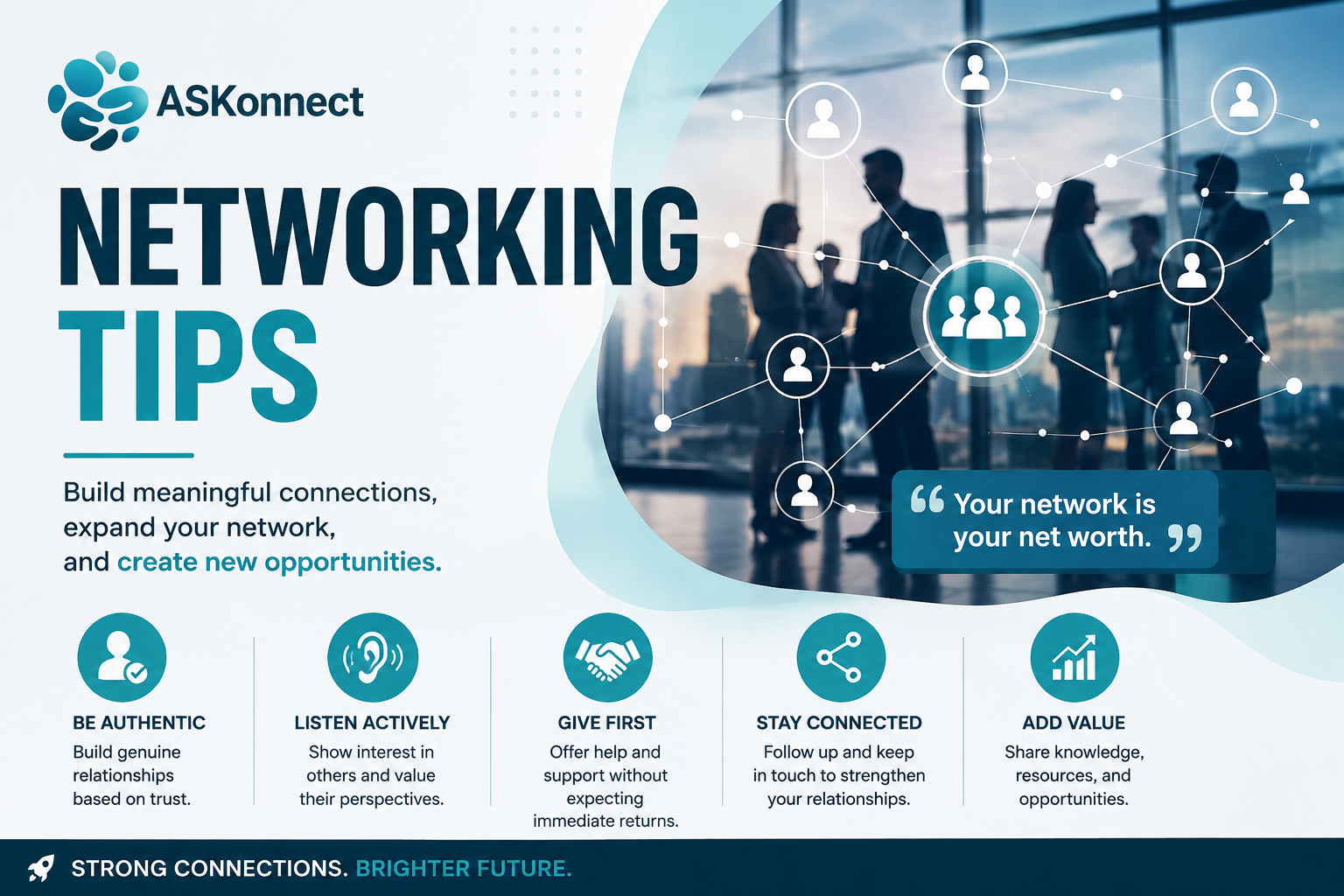
    Building a strong professional network can open doors to opportunities that are often difficult to find through traditional job searches. Whether you are a student, entrepreneur, freelancer, job seeker, or experienced professional, knowing how to connect with the right people can help you discover new opportunities, exchange knowledge, and develop long-term professional relationships.

    However, effective networking is not simply about collecting business cards, adding hundreds of people on LinkedIn, or asking someone for a job. Successful networking is about building genuine relationships and creating value for both sides.

    In this guide, you will learn practical networking tips that can help you meet the right people, start meaningful conversations, maintain professional relationships, and turn connections into long-term opportunities.

    What is Professional Networking?

    Professional networking is the process of developing and maintaining relationships with people who share professional, educational, or industry-related interests.

    Your network can include:

    • Coworkers and former colleagues
    • Industry professionals
    • Business owners and entrepreneurs
    • Clients and customers
    • Recruiters and hiring managers
    • Mentors and teachers
    • University classmates and alumni
    • Conference and event attendees
    • Online professional communities

    Networking can happen both online and offline. LinkedIn, industry conferences, seminars, workshops, professional associations, and even informal conversations can all become networking opportunities.

    The goal is not to meet as many people as possible. Instead, focus on developing relevant, authentic, and mutually beneficial relationships.

    Why is Networking Important?

    Networking can play an important role in professional development. Many opportunities are discovered through personal recommendations, professional relationships, and conversations rather than public job advertisements.

    A strong network can help you:

    Discover Career Opportunities

    People in your network may know about job openings, freelance projects, internships, or business opportunities before they are publicly advertised.

    Learn From Experienced Professionals

    Connecting with people who have experience in your field allows you to learn from their successes, mistakes, and practical knowledge.

    Build Your Professional Reputation

    Consistently sharing useful information and helping others can establish you as someone knowledgeable and reliable within your industry.

    Find Mentors

    Networking can introduce you to experienced professionals who can provide career guidance and help you make better professional decisions.

    Develop Business Relationships

    Entrepreneurs and freelancers can use networking to find potential clients, strategic partners, suppliers, and referral opportunities.

    Effective Networking Tips you Should Know

    Networking becomes much easier when you approach it with the right strategy. The following tips can help you build stronger and more meaningful professional relationships.

    1. Define Your Networking Goals

    Before attending an event or sending connection requests, determine what you want to achieve.

    For example, your goal might be to:

    • Find a new job
    • Meet potential clients
    • Learn about an industry
    • Find a mentor
    • Promote your business
    • Explore career opportunities
    • Build relationships with industry experts

    Having a clear goal helps you identify the people and communities that are most relevant to you.

    Instead of trying to connect with everyone, focus on quality over quantity.

    2. Create a Strong Professional Introduction

    You should be able to explain who you are and what you do clearly.

    A simple introduction can include:

    Who you are + what you do + what you are interested in.

    For example:

    “I’m a digital marketing professional specializing in SEO and content strategy. I’m currently interested in learning more about AI search and how businesses can adapt their organic growth strategies.”

    Keep your introduction natural rather than sounding like a rehearsed sales pitch.

    3. Listen More Than You Talk

    One of the most overlooked networking tips is to become a good listener.

    When meeting someone, avoid thinking only about what you will say next. Pay attention to their experience, interests, challenges, and goals.

    Ask questions such as:

    • “How did you get started in this industry?”
    • “What projects are you currently working on?”
    • “What changes are you seeing in your industry?”
    • “What advice would you give someone entering this field?”

    Good conversations are usually based on genuine curiosity.

    4. Give Value Before Asking for Something

    Effective networking should not immediately become a request.

    If you meet someone and your first message is, “Can you give me a job?” you may put unnecessary pressure on the relationship.

    Instead, look for ways to provide value.

    You could:

    • Share a useful resource
    • Introduce them to someone relevant
    • Recommend their work
    • Give thoughtful feedback
    • Share an industry insight
    • Help solve a small problem

    A relationship becomes stronger when both people benefit from it.

    5. Personalize Connection Requests

    Avoid sending the same generic message to everyone.

    Instead of:

    “I’d like to add you to my professional network.”

    try mentioning something specific about the person.

    For example:

    “Hi Sarah, I came across your recent post about content marketing and found your point about search intent particularly useful. I’d be happy to connect and follow your insights.”

    Personalization shows that you have made an effort to understand who you are contacting.

    6. Attend Industry Events

    Conferences, workshops, seminars, webinars, and professional meetups can provide excellent networking opportunities.

    Before attending an event:

    1. Research the speakers.
    2. Identify relevant attendees.
    3. Prepare a short introduction.
    4. Think of a few questions.
    5. Set a realistic networking goal.

    You don’t need to talk to everyone. Having three meaningful conversations can be more valuable than collecting dozens of contacts.

    7. Join Professional Communities

    Online communities can help you build relationships beyond traditional social media.

    Look for communities related to your:

    • Industry
    • Profession
    • Skills
    • Local business environment
    • Educational background
    • Professional interests

    Participate by answering questions, sharing useful resources, and contributing to discussions.

    Simply joining a group is not networking. Active participation is what creates visibility and relationships.

    8. Follow Up After Meeting Someone

    One of the biggest networking mistakes is failing to follow up.

    If you meet someone at an event, send a short message within a reasonable period.

    For example:

    “It was great meeting you at the marketing conference. I enjoyed our conversation about content strategy, especially your thoughts on how AI is changing search. I’d be happy to stay connected.”

    A simple follow-up can turn a brief conversation into an ongoing professional relationship.

    9. Stay in Touch Consistently

    Networking should not only happen when you need something.

    Stay connected by:

    • Commenting on their posts
    • Congratulating professional achievements
    • Sharing useful resources
    • Checking in occasionally
    • Meeting for coffee when appropriate
    • Discussing relevant industry developments

    You don’t need to contact everyone every week. The goal is to remain genuinely connected rather than constantly asking for favors.

    Networking Tips for Job Seekers

    If you’re looking for a job, networking can complement traditional applications.

    Start by identifying people working at companies or in industries that interest you.

    You can then:

    1. Connect with relevant professionals.
    2. Engage with their content.
    3. Ask thoughtful questions.
    4. Learn about their career path.
    5. Share your relevant skills or portfolio.
    6. Ask for advice rather than immediately asking for a job.
    7. Follow up professionally.

    A networking conversation doesn’t always result in a job—and that’s okay. The purpose is to develop relationships that can become valuable over time.

    Networking Tips for Introverts

    You don’t need to be highly outgoing to become good at networking.

    If large events feel uncomfortable, start with smaller interactions.

    Try:

    • One-on-one meetings
    • Online professional communities
    • LinkedIn conversations
    • Small workshops
    • Industry webinars
    • Alumni groups
    • Professional email introductions

    Prepare a few conversation starters before attending an event. Having questions ready can reduce the pressure of starting conversations.

    Remember that networking is a skill, not a personality type.

    Common Networking Mistakes to Avoid

    Even well-intentioned networking can fail when it becomes overly transactional or inconsistent.

    Avoid these common mistakes:

    Only Networking When You Need a Job

    If you disappear for months and suddenly contact someone asking for employment, the interaction can feel transactional.

    Sending Generic Messages

    Copy-and-paste messages rarely create meaningful conversations.

    Talking Only About Yourself

    Networking is a two-way relationship. Ask questions and show interest in other people’s experiences.

    Asking for Too Much Too Soon

    Don’t immediately request referrals, introductions, jobs, or major favors from someone you’ve just met.

    Ignoring Follow-Ups

    A connection without communication often becomes forgotten.

    Focusing Only on the Number of Connections

    Having 5,000 connections does not necessarily mean you have a strong network.

    A smaller network of trusted and relevant professionals can be far more valuable.

    How to Build a Networking Strategy?

    A simple networking strategy can make your efforts more consistent.

    Step 1: Identify Your Target Network

    Determine which professionals, industries, companies, or communities are relevant to your goals.

    Step 2: Choose Your Platforms

    Select platforms where your target audience is active. For many professionals, LinkedIn is useful, while industry-specific communities and events can provide additional opportunities.

    Step 3: Create Useful Content

    Share practical insights, lessons learned, industry observations, or useful resources.

    Step 4: Engage With Others

    Comment thoughtfully on relevant posts and participate in professional discussions.

    Step 5: Start Conversations

    Send personalized messages when you have a genuine reason to connect.

    Step 6: Follow Up

    Maintain relationships instead of treating each connection as a one-time interaction.

    Step 7: Review Your Progress

    Every few months, evaluate whether your network is helping you learn, collaborate, discover opportunities, or achieve your professional goals.

    Frequently Asked Questions About Networking

    What is the most important networking tip?

    The most important networking tip is to focus on building genuine relationships rather than immediately seeking personal benefits. Be curious, helpful, reliable, and consistent.

    How can I network if I have no experience?

    Start with classmates, teachers, alumni, online communities, industry professionals, and local events. You don’t need years of experience to have meaningful conversations or ask thoughtful questions.

    How often should I network?

    There is no universal schedule. Consistent, genuine interaction is more important than frequency. Even dedicating a small amount of time each week to professional networking can help you build relationships over time.

    Is LinkedIn good for networking?

    Yes. LinkedIn can be useful for discovering professionals, joining industry conversations, sharing expertise, and maintaining professional relationships. However, effective networking depends on how you engage with people—not simply how many connections you have.

    Should I ask someone for a job when networking?

    Usually, it’s better to start with a conversation and build a professional relationship. Once the person understands your background and goals, you can appropriately discuss relevant opportunities or ask whether they have advice about entering the company or industry.

    How do I network without feeling awkward?

    Prepare a few questions, focus on listening, and choose smaller conversations if large events feel uncomfortable. Remember that the other person may also appreciate having someone genuinely interested in their work.

    Final Thoughts!!

    Professional networking is not about collecting contacts. It is about building relationships based on trust, relevance, and mutual value.

    The most effective networking strategy is simple: know what you want to achieve, connect with people genuinely, listen carefully, provide value, follow up, and maintain relationships over time.

    Whether you’re searching for a job, growing a business, developing your career, or simply learning from experienced professionals, strong relationships can become one of your most valuable professional assets.

    Start small. Reach out to one relevant person, have one meaningful conversation, and focus on creating a relationship rather than expecting an immediate result.

    Looking to build meaningful professional connections and expand your opportunities? Contact us today to learn how we can help you get started.


  • What Are the Answers? Guide to Finding Reliable Information

    What Are the Answers? Guide to Finding Reliable Information

    In today’s fast-paced digital world, knowing how to find accurate answers has become an essential life skill. Whether you’re researching for work, studying for an exam, or simply curious about a topic, the question “what are the answers” is one we all ask regularly. At Askonnect, we believe everyone deserves access to trustworthy, well-sourced information. This comprehensive guide will help you understand how to find reliable answers and navigate the vast ocean of online information.

    What Are the Answers? Understanding the Question

    The phrase “what are the answers” represents humanity’s fundamental need for knowledge and clarity. It’s a question that spans across education, professional development, personal growth, and everyday decision-making. Finding the right answers requires more than just a quick Google search; it demands critical thinking, source verification, and understanding where information comes from.

    The answers you seek vary based on context:

    • Academic answers for educational purposes
    • Professional answers for career advancement
    • Health-related answers for wellness decisions
    • Financial answers for money management
    • Personal answers for life choices

    The challenge isn’t always finding answers, it’s finding the right answers from reliable sources.

    Why Finding Reliable Answers Matters

    Making Informed Decisions

    Quality answers enable informed decision-making. Whether you’re choosing between career paths, making financial investments, or deciding on medical treatments, the answers you find directly impact your life outcomes. Misinformed decisions based on unreliable answers can lead to wasted time, money, and opportunities.

    Building Knowledge and Expertise

    The answers you accumulate form the foundation of your knowledge base. Students who find comprehensive, accurate answers develop stronger academic performance. Professionals who seek quality answers advance their careers faster. Continuous learning through reliable answers is the cornerstone of personal and professional growth.

    Avoiding Misinformation

    In an age of information overload, unreliable answers spread rapidly. Misinformation can damage relationships, influence poor decisions, and erode trust. Learning to distinguish between credible and questionable answers protects you from these risks.

    Saving Time and Energy

    Reliable answers come with context, explanation, and proof. Rather than spending hours synthesizing conflicting information, quality answers provide clarity quickly, freeing you to focus on implementation and progress.

    Types of Answers You Might Seek

    Educational Answers

    Students and learners search for answers related to academic subjects. These answers should come from textbooks, peer-reviewed journals, educational institutions, and verified academic sources. Educational answers require precision and should cite reliable evidence.

    Professional Answers

    Career-related questions demand answers from industry experts, professional organizations, and experienced practitioners. Professional answers often include best practices, frameworks, and real-world case studies that demonstrate proven approaches.

    Health and Wellness Answers

    Medical and health-related answers require answers from qualified healthcare professionals, medical institutions, and peer-reviewed research. Never rely solely on unverified sources for health decisions consult qualified professionals.

    Financial Answers

    Money matters require answers backed by financial expertise, regulatory knowledge, and proven strategies. Financial answers should come from certified advisors, financial institutions, and established educational resources.

    Personal Development Answers

    Self-improvement questions benefit from answers rooted in psychology, behavioral science, and documented success stories. Personal development answers work best when combined with practical application.

    Technical Answers

    Technology questions need answers from developers, engineers, and technical documentation. Technical answers should be specific, tested, and preferably include examples or code.

    How to Find Quality Answers

    1. Identify Authoritative Sources

    Start by asking yourself: “What are the answers coming from reliable sources?” Seek information from:

    • University and educational institutions
    • Government agencies and official databases
    • Industry experts and thought leaders
    • Peer-reviewed publications
    • Established organizations in the field
    • Certified professionals

    2. Cross-Reference Multiple Sources

    Quality answers become clearer when you find consensus across multiple authoritative sources. If several reputable sources provide similar answers, you can have greater confidence in accuracy. Conflicting answers from reliable sources deserve further investigation.

    3. Check Publication Dates

    Answers change over time as new research emerges and circumstances evolve. Always note when the information was published. Recent answers may be more relevant than outdated ones, though foundational knowledge often remains valid.

    4. Look for Evidence and Citations

    Strong answers include supporting evidence, citations, and references. If answers lack evidence, that’s a red flag. Authors of reliable answers document their sources and explain their reasoning.

    5. Consider the Source’s Expertise

    “What are the answers” depends heavily on who’s providing them. Verify that the source has genuine expertise in the topic. Check credentials, experience, and track record. Be skeptical of answers from unqualified sources.

    6. Evaluate Author Bias

    All sources have some perspective, but understanding potential bias helps you evaluate answers more critically. Are they promoting a product? Do they have financial interest? Is the source transparent about its perspective?

    7. Check for Fact-Checking

    Look for answers that have been fact-checked by reputable organizations. Fact-checking adds credibility and demonstrates commitment to accuracy.

    Common Places to Find Answers

    Search Engines

    Search engines like Google return millions of potential answers, but quality varies dramatically. Use advanced search operators, check domain authority, and verify information across multiple results.

    Educational Platforms

    Platforms like Coursera, Khan Academy, and university websites provide vetted educational answers created by experts in their fields.

    Expert Communities

    Forums, Q&A sites, and professional communities often host discussions where experts provide nuanced answers based on experience.

    Official Resources

    Government agencies, industry associations, and official organizations publish authoritative answers about their domains.

    Peer-Reviewed Publications

    Academic journals and research papers represent answers backed by rigorous scientific methodology and expert review.

    Books and Long-Form Content

    Published books undergo editorial review and contain deeper answers than quick online searches often provide.

    Askonnect Community

    At Askonnect, we’ve built a community dedicated to helping people find quality answers. Our platform connects you with experts, verified resources, and curated information on countless topics, making it easier to answer your most pressing questions.

    Common Pitfalls When Seeking Answers

    Confirmation Bias

    Seeking only answers that confirm what you already believe limits understanding. Actively search for diverse perspectives and contradicting answers to develop comprehensive knowledge.

    Trusting the First Answer

    The first answer you find isn’t necessarily the best. What are the answers from multiple sources? Compare before accepting information.

    Ignoring Source Credibility

    Not all sources carry equal weight. Answers from industry experts outweigh answers from random blog posts or social media comments.

    Overlooking Publication Context

    When was the answer published? By whom? For what purpose? Context dramatically affects answer reliability.

    Neglecting to Ask Follow-Up Questions

    Quality answers often raise new questions. Digging deeper leads to more comprehensive understanding.

    How Askonnect Helps You Find Better Answers

    Askonnect transforms how people find answers by providing:

    • Expert-Verified Information – Our community includes professionals, educators, and specialists who provide credible answers
    • Source Documentation – Every answer comes with proper citations and evidence
    • Topic Organization – Information organized by category makes finding comprehensive answers easier
    • Real-Time Updates – Stay informed as answers evolve with new information
    • Community Discussion – Diverse perspectives help you understand nuanced answers
    • Fact-Checked Content – Answers reviewed for accuracy and reliability
    • Search Optimization – Find exactly what you’re looking for through intelligent search

    Whether you need answers for academic research, career advancement, health decisions, or personal growth, Askonnect connects you with the information and expertise you need.

    The Future of Finding Answers

    As artificial intelligence and information technology evolve, the ways we find answers continue to change. Emerging trends include:

    • AI-Powered Answer Engines – Personalized answers based on your specific context
    • Voice-Activated Answers – Finding answers through conversational AI
    • Real-Time Fact-Checking – Automatic verification of answer accuracy
    • Expert Verification – Blockchain and other technologies ensuring answer authenticity
    • Personalized Learning Paths – Answers tailored to your knowledge level and goals

    Staying ahead of these trends helps you become better at finding the answers you need.

    Conclusion

    “What are the answers?” is a question that defines human progress. The ability to find accurate, reliable answers is more valuable than ever in our information-rich world. By understanding how to evaluate sources, cross-reference information, and seek expert guidance, you can transform yourself into a sophisticated information consumer.

    The answers you find shape your knowledge, influence your decisions, and ultimately define your potential. Don’t settle for surface-level responses or questionable sources. Seek answers from authoritative, verified resources.

    Ready to find better answers faster? Join Askonnect today and access our expert community, verified resources, and curated information on thousands of topics. Whether you’re seeking academic answers, professional guidance, or personal growth information, we’re here to help you find exactly what you need.

    Start your journey to better answers today—join Askonnect for free and transform how you learn and grow.

  • The Complete Guide to Social Websites: Things Need to Know in 2026

    The Complete Guide to Social Websites: Things Need to Know in 2026

    Social media has completely transformed how we communicate, share information, and build communities online. Whether you’re an individual looking to enhance your digital presence or a business seeking to expand your reach, understanding the landscape of social media is essential. At Askonnect, we believe in empowering users with accurate, actionable information about social media platforms and digital engagement strategies.

    In this comprehensive guide, we’ll explore what social skills are, their impact on modern communication, and how you can leverage them effectively.

    What Are Social Websites?

    social are digital platforms designed to facilitate user interaction, content sharing, and community building. These platforms enable individuals and businesses to connect, communicate, and exchange information in real-time. Unlike traditional websites, social media prioritizes user-generated content and peer-to-peer interaction.

    Key characteristics of social include:

    • User profiles and personalization
    • Content sharing capabilities
    • Real-time communication features
    • Community engagement tools
    • Networking opportunities
    • Social networking algorithms

    The term “social” encompasses a broad range of platforms, from mainstream networks to niche communities designed for specific interests or industries.

    Major Types of Social Websites

    1. Social Networks

    Social networks are the most recognized category of social. Platforms like Facebook, Instagram, and LinkedIn connect billions of users worldwide. These social activities enable users to build profiles, share updates, post photos, and maintain relationships with friends, family, and professional contacts.

    Primary advantages:

    • Extensive user base and reach
    • Multiple content formats (text, images, video)
    • Networking and relationship building
    • Community discovery

    2. Video-Sharing Websites

    YouTube, TikTok, and Vimeo represent the video-focused segment of social. These platforms have become central to content consumption and creator economics. Video-sharing social offer unique opportunities for storytelling, entertainment, and educational content distribution.

    3. Microblogging Platforms

    Twitter (now X), Threads, and Bluesky are social where users share short-form content and engage in real-time conversations. These platforms excel at breaking news, trend discussions, and immediate audience engagement.

    4. Professional social

    LinkedIn and industry-specific platforms focus on career development, business networking, and professional growth. These societies maintain distinct cultures emphasizing expertise and business value.

    5. Content-Sharing Communities

    Reddit, Pinterest, and Medium are social built around content sharing and community discussion. They enable users to discover information, share interests, and participate in topic-specific conversations.

    Why Social Websites Matter in Today’s Digital Landscape

    Business Growth and Brand Awareness

    For companies and entrepreneurs, social media have become indispensable marketing channels. Brands can reach target audiences, build customer relationships, and gather valuable feedback through these platforms. A strong presence on relevant social directly impacts brand visibility and customer acquisition.

    Community Building

    social facilitate the creation of communities around shared interests, values, or professions. These communities provide support, knowledge exchange, and meaningful connections that strengthen user loyalty and engagement.

    Information Dissemination

    In an era of information overload, social serves as primary sources for news, trends, and expert insights. These platforms democratize information sharing, allowing voices from around the world to contribute to public discourse.

    Personal Branding and Influence

    Individuals leverage social skills to establish authority, showcase expertise, and build personal brands. Content creators, thought leaders, and professionals use these platforms to amplify their impact and reach.

    How to Effectively Use Social Websites?

    1. Define Your Goals

    Before diving into social, clarify what you want to achieve. Are you seeking brand awareness, customer engagement, lead generation, or community building? Different websites serve different objectives.

    2. Choose the Right Platforms

    Not all websites are created equal for your needs. Analyze where your target audience spends time and which platforms align with your content strategy. Quality engagement on two platforms surpasses mediocre presence on ten.

    3. Create Authentic, Valuable Content

    websites reward authentic, high-quality content. Whether you’re sharing expertise, entertainment, or inspiration, focus on providing genuine value. Consistency in posting and engagement builds trust with your audience.

    4. Engage Authentically

    websites thrive on genuine interaction. Respond to comments, participate in discussions, and build relationships with your community. Two-way communication is far more effective than broadcasting.

    5. Stay Updated on Platform Changes

    websites constantly evolve with new features, algorithms, and best practices. Stay informed about platform updates to maintain optimal visibility and engagement.

    Common Challenges on websites

    Algorithm Volatility

    The algorithms powering websites change frequently, affecting content visibility. This requires continuous adaptation of strategies.

    Time and Resource Investment

    Managing presence across multiple websites demands significant time and effort. Prioritization and automation tools help manage this effectively.

    Privacy and Security Concerns

    As websites collect user data, privacy remains a critical concern. Users should understand platform privacy policies and safeguard personal information.

    Information Misinformation

    websites can spread false information rapidly. Critical consumption of content and verification of sources is essential.

    How Askonnect Helps You Master Websites?

    Askonnect provides expert guidance and resources for navigating the complex world of websites. Our platform offers:

    • Comprehensive platform guides for understanding different social websites
    • Strategic recommendations tailored to your goals and audience
    • Best practice insights from industry experts
    • Community support from users mastering social website strategies
    • Regular updates on platform changes and new features

    Whether you’re a beginner exploring social websites for the first time or an experienced marketer optimizing your strategy, Askonnect connects you with the knowledge and community support you need.

    The Future of Social Websites

    As technology evolves, social websites continue adapting. Emerging trends include:

    • Artificial intelligence integration for personalized experiences
    • Metaverse-connected platforms blending virtual and social experiences
    • Decentralized social networks prioritizing user ownership and privacy
    • Vertical video dominance across multiple social
    • Creator economy growth enabling users to monetize their presence

    Understanding these trends positions you advantageously as social evolve.

    Conclusion!!

    Social skills have become fundamental to modern communication, business, and community building. Whether you’re seeking personal connection, professional growth, or business expansion, these platforms offer unprecedented opportunities to reach audiences and build meaningful relationships.

    Success in society requires authenticity, consistency, and strategic thinking. By choosing the right platforms, creating valuable content, and engaging genuinely with your community, you can harness the full potential of social.

    Ready to optimize your social website strategy? Join Askonnect today and access expert resources, community insights, and personalized guidance for mastering every major social platform. Your digital success story starts here.

    Join Askonnect—where digital professionals go to dominate. → Start Your Free Trial Now